

As the weather cools, it's time to bring houseplants back inside for the season. But before you settle them into their usual spots, take a closer look at your windows. A window's direction can make a big difference in how much sunlight your plants get, especially during the shorter days of fall and winter.
One of the most overlooked parts of indoor plant care is understanding how natural light affects your plants. North-, south-, east-, and west-facing windows each offer different light conditions, and choosing the right spot can help your plants stay healthy through the colder months.
Of course, window direction is only part of the equation. Window size, nearby trees and buildings, and how close a plant sits to the glass all affect its light exposure. Here's a window-by-window guide to understanding your home's natural light and choosing houseplants that are more likely to thrive in each spot.
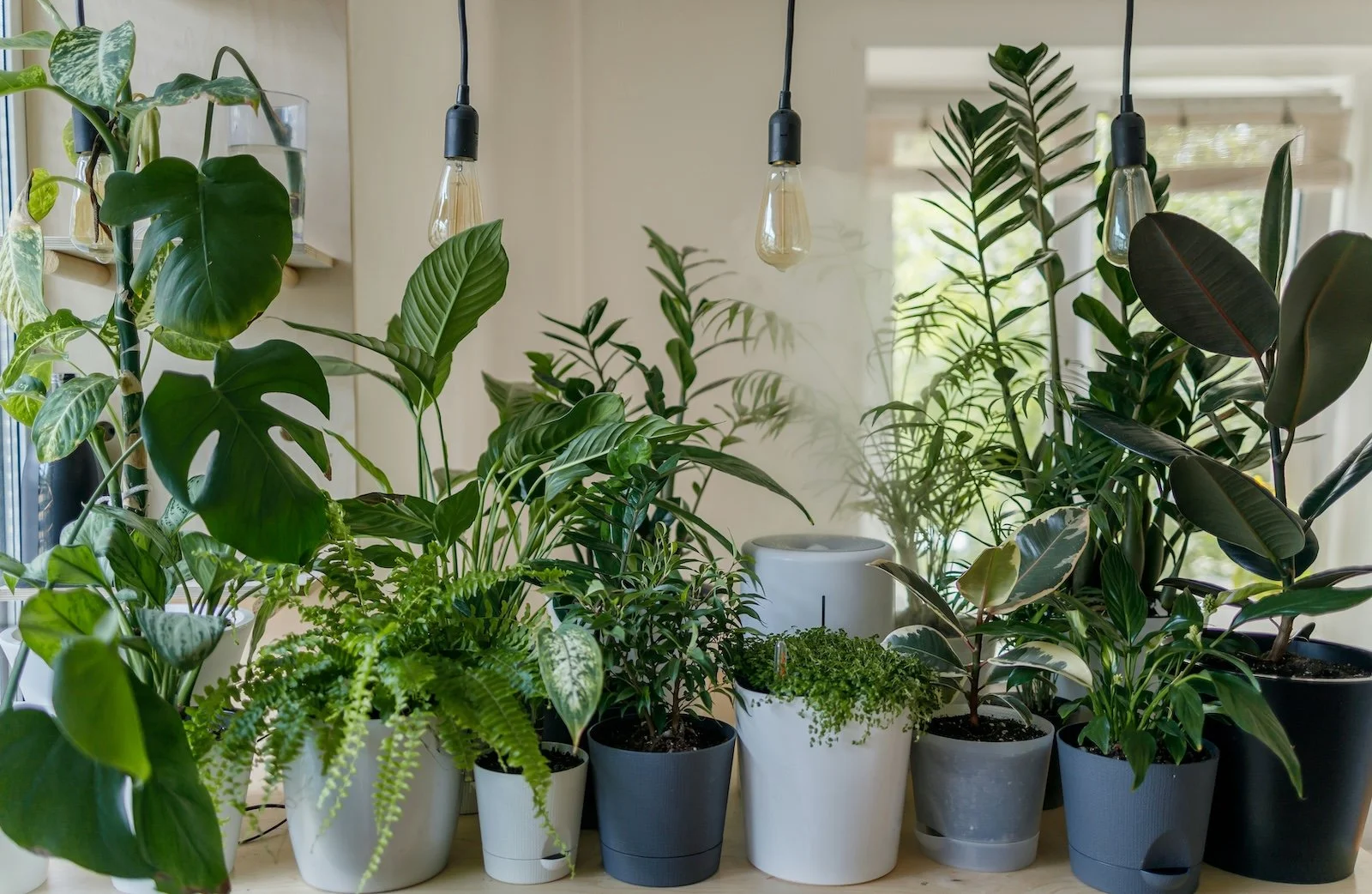
North-Facing Windows
North-facing windows generally receive little to no direct sunlight and provide relatively low, indirect light throughout the day. Light levels can drop further in winter, especially when trees or nearby buildings shade the windows.
These windows can be a good home for low-light-tolerant plants that don't require hours of direct sunshine to thrive:
Snake plant
Pothos
ZZ plant
Peace lily
Cast iron plant
Bird's nest fern
Keep in mind that low-light tolerant doesn't mean no-light tolerant. Even these plants need some natural light to grow, and their growth may slow during the winter months. If a plant needs bright, indirect light, a north-facing window may not provide enough, especially in a darker room. Move it closer to the glass or use a grow light if needed.
South-Facing Windows
In the Northern Hemisphere, south-facing windows are typically the brightest spots in a home. They often receive strong direct sunlight throughout the day, and in fall and winter, the sun's lower angle can let light reach farther into a room.
This exposure is ideal for many sun-loving plants that need plenty of light to maintain healthy growth:
Succulents and cacti
Croton
Citrus trees
Rosemary and other sun-loving herbs
Bird of paradise
Fiddle-leaf fig
The trade-off is intensity. Strong direct sunlight can scorch foliage, especially on plants that haven’t had time to acclimate to brighter conditions. Shade-loving plants, including many ferns and calatheas, may develop brown or crispy leaf edges in a sunny south-facing window.
If a south-facing window is your best option for a plant that prefers indirect light, try filtering the strongest rays with a sheer curtain or moving the plant farther from the glass. Watch how your plant responds, since ideal placement depends on sunlight intensity and the plant's individual needs.
East-Facing Windows
East-facing windows get direct morning sun, then indirect light for most of the afternoon. Morning sun is generally less intense than afternoon sun, making this a versatile exposure for many popular houseplants.
Good choices for an east-facing window include:
Pothos and philodendron
Monstera
Calathea and prayer plants
Peace lily
African violets
Many tropical foliage plants
East-facing windows are often a practical choice for plant enthusiasts because they offer balanced natural light without the prolonged afternoon sun that can be too intense for some tropical plants. However, light levels still matter. High-light plants may need a brighter spot, while sensitive foliage can occasionally scorch in direct morning sun.
When planning your indoor plant care routine, observe how the sunlight moves through your home before deciding where each plant will thrive.
West-Facing Windows
West-facing windows receive less direct morning light, followed by stronger afternoon and early evening sun. This exposure can create warmer conditions near the glass, especially during summer.
Many plants that enjoy bright light can do well in a west-facing window, provided they can tolerate the afternoon sun:
Succulents and cacti
Jade plant
Aloe vera
Snake plant
Geraniums
Rosemary and thyme
The amount of direct sunlight will determine which plants suit this location best. Succulents and herbs generally appreciate abundant light, while more sensitive foliage plants may need a little protection during the hottest part of the day.
If you notice brown patches or crispy edges, move the plant farther from the window or use a sheer curtain to filter the strongest rays. In fall and winter, cooler temperatures and the sun's changing angle may make a west-facing window more suitable for plants that struggled there in summer.
Not Sure Which Way Your Windows Face? Here's How to Tell
You don't need to be an expert to figure out your home's natural light. A few simple observations can help you choose better locations for your houseplants.
Use a compass app. Stand indoors facing the window and use your phone's compass to determine which direction you're facing. Keep in mind that nearby metal objects or magnetic interference can affect compass readings.
Watch the sun. The sun generally rises in the east and sets in the west. If your window receives direct morning sunlight, it may face east. Strong afternoon sunlight may indicate a west-facing window. Remember that the sun's path changes throughout the year.
Observe the sunlight at midday. In the Northern Hemisphere, south-facing windows often get strong midday sun, while north-facing windows generally get less direct sun. Nearby trees, buildings, and roof overhangs can change these patterns, so use the direction as a starting point rather than a guarantee.
Pay attention to plant growth. Plants naturally grow toward their light source. Rotating pots a quarter turn every week or two can encourage more even growth, though the best frequency depends on the plant.
Consider the distance from the glass. A plant sitting directly in a bright window receives considerably more light than one several feet away. If a plant looks pale, grows leggy, or stops producing new growth, it may need a brighter location.
Good indoor plant care starts with understanding what your plants need, and light is one of the most important factors. Watering, humidity, soil, and seasonal changes matter, too, but starting with the right location is a great place to begin.
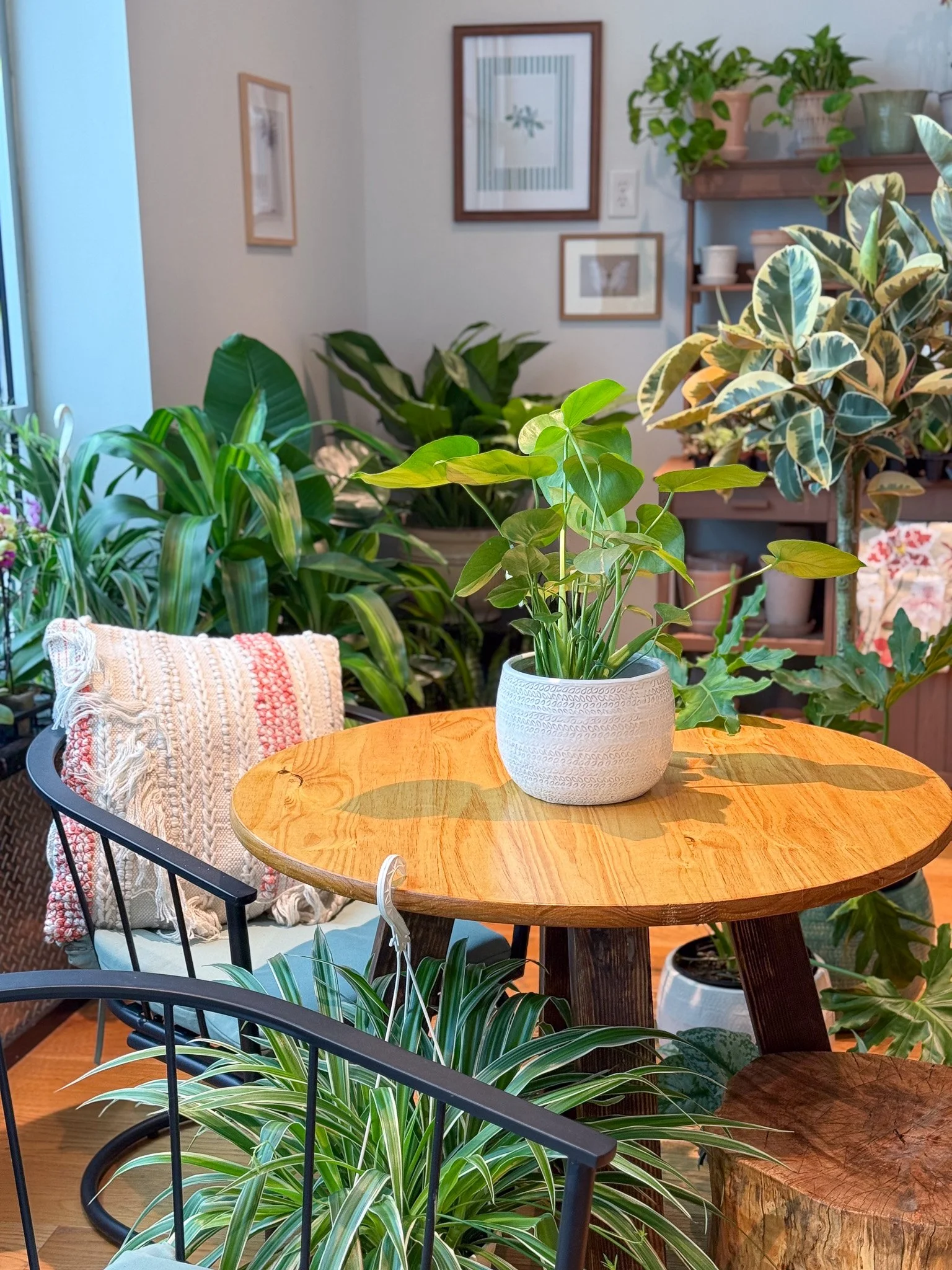
Shop the Right Pots and Plants for Every Window
Once you understand your home's light conditions, choosing the right plants becomes much easier. Whether you're looking for low-light favorites for a north-facing hallway or sun-loving varieties for a bright south-facing window, matching your plants to their environment makes care much easier.
If you're searching for plant shops in Greenville, SC, Dwell and Daisy offers a thoughtfully selected collection of houseplants and pots to help you bring more greenery into your home. From classic foliage plants to beautiful potted arrangements, we can help you find options that suit your space and your style.
Visit our location inside Sawdust Coffee Shop in Greenville, SC, to shop plants and pots in person and find the perfect addition to your home. With the right plants in the right places, you can enjoy a greener, healthier-looking space year-round.
Indoor Plant Care FAQs
What is the best window direction for indoor plants?
East-facing windows are a versatile choice for many popular houseplants because they provide gentle morning sunlight followed by indirect light. However, the best window depends on the plant. South-facing windows typically offer the brightest light, while north-facing windows generally suit plants that tolerate lower light levels.
Which indoor plants are best for low-light rooms?
Snake plants, ZZ plants, pothos, and cast iron plants are popular choices for rooms with lower natural light. Although these plants tolerate low light, they still need some light to survive and grow. If a room has very little natural light, a grow light can help support healthy growth.
How do I know if my houseplants are getting enough sunlight?
Signs that a plant may need more light include leggy growth, pale leaves, slow growth, and fewer new leaves than usual. Too much direct sunlight can scorch leaves, causing brown patches or crispy edges. Because symptoms can also result from watering and other care issues, consider the plant's overall growing conditions before changing its location.
Can indoor plants survive in a north-facing window?
Yes. Many low-light-tolerant plants, including snake plants, ZZ plants, pothos, and cast iron plants, can grow in north-facing windows if the available light is sufficient. In winter, light levels may drop too low for some plants, so move them closer to the window or use supplemental grow lights.
Are south-facing windows too sunny for houseplants?
Not necessarily. South-facing windows are often ideal for sun-loving plants such as cacti, succulents, and many herbs. However, direct sunlight can scorch plants that prefer indirect light, especially if they aren’t acclimated to stronger exposure. A sheer curtain or a little extra distance from the window can help protect sensitive foliage.
How often should I rotate indoor plants?
Rotating houseplants a quarter turn every week or two can encourage more balanced growth by letting different sides of the plant get light. The ideal frequency varies by plant and its growing conditions. Some plants grow well without frequent rotation, so observe how yours respond.
How do I care for indoor plants during winter?
Winter indoor plant care often means adjusting your routine for shorter days, lower light, and changes in indoor humidity. Many houseplants grow more slowly during winter, so they may need less frequent watering. Check soil moisture before watering, keep plants away from cold drafts and heating vents, and move them to locations with adequate natural light.
Where can I buy indoor plants in Greenville, SC?
Dwell and Daisy offers houseplants, pots, and custom potted arrangements in the Upstate South Carolina area. If you're searching for plant shops in Greenville, SC, visit our storefront at Sawdust Coffee Shop to explore available plants and find options that suit your home's light conditions and style.