

Houseplants Toxic to Pets And Beautiful, Pet-Safe Alternatives
If you share your home with a curious cat or a dog who thinks every leaf is a snack, this post is for you. Many of the most popular indoor houseplants, including pothos, philodendrons, snake plants, and peace lilies, are toxic to cats and dogs. Some cause mild stomach upset, while others can lead to serious health consequences if ingested.
The good news is that you don't have to choose between a beautiful home and a safe one. There are plenty of stunning, low-maintenance houseplants that are non-toxic to pets. In this post, we're breaking down the most common toxic houseplants for cats and dogs, what makes them dangerous, and our favorite pet-friendly alternatives, all of which you can find at Dwell and Daisy, your local plant shop in Greenville, SC.
Disclaimer: This post is meant to be a helpful guide, not a substitute for veterinary advice. If you believe your pet has ingested a toxic plant, contact your veterinarian or the ASPCA Animal Poison Control Center immediately at (888) 426-4435.
Even non-toxic plants can cause mild stomach upset if eaten in large quantities, so it's always best to discourage pets from chewing on any houseplants.
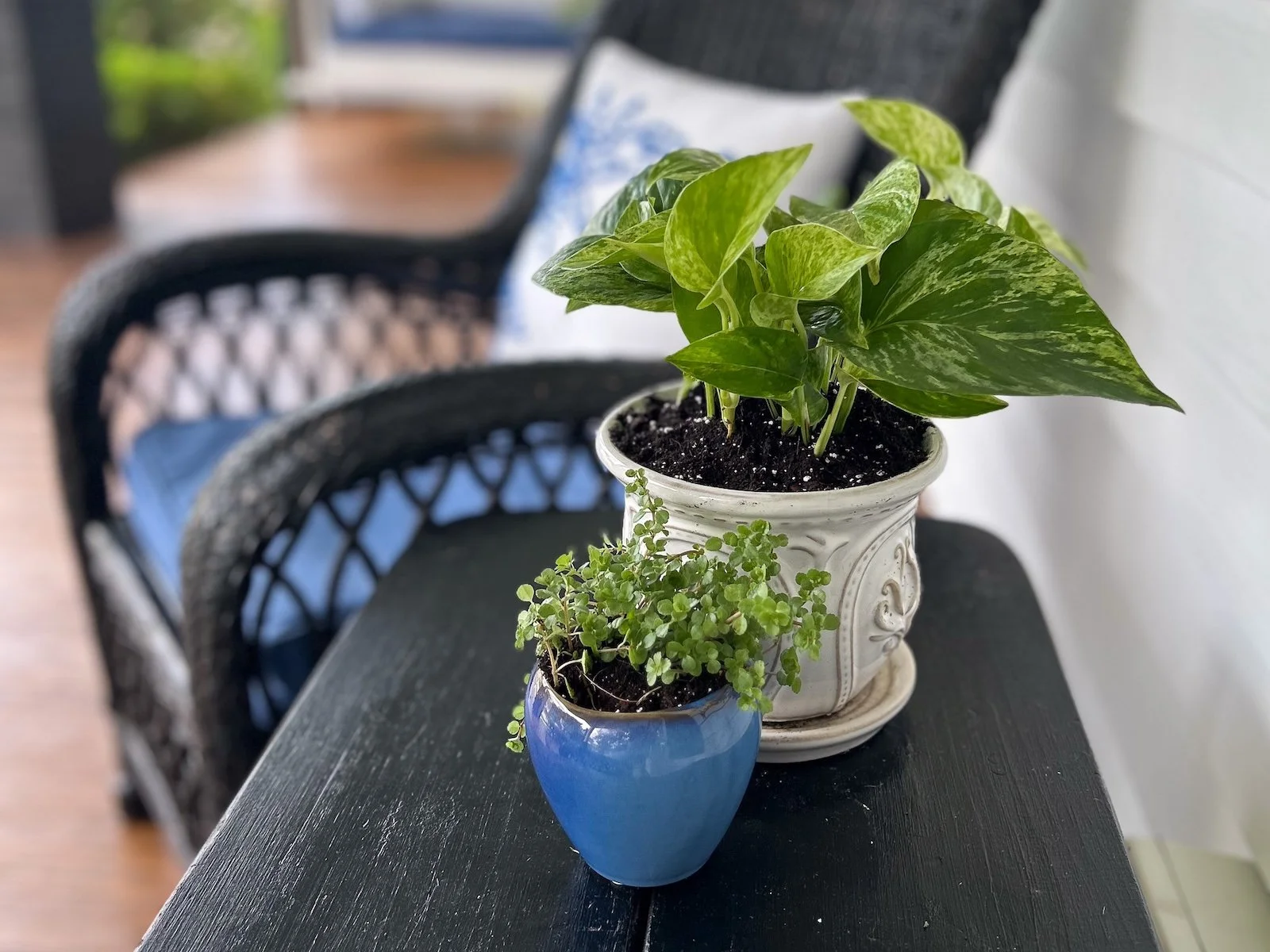
Common Houseplants That Are Toxic to Cats and Dogs
Pothos (Epipremnum aureum)
One of the most popular houseplants around, pothos is unfortunately toxic to both cats and dogs. It contains calcium oxalate crystals that can cause oral irritation, excessive drooling, vomiting, and difficulty swallowing. It's a beautiful plant, but best kept out of reach or out of pet-friendly homes entirely.
Peace Lily (Spathiphyllum)
Peace lilies are a common household favorite for their elegant white blooms and low-light tolerance, but they're toxic to both cats and dogs. They contain calcium oxalate crystals that can cause oral irritation, drooling, vomiting, and swelling of the mouth and throat. Significant swelling can make swallowing uncomfortable and, in rare cases, may interfere with breathing.
Snake Plant (Dracaena trifasciata, formerly Sansevieria trifasciata)
Another beloved beginner plant that makes the toxic list. Snake plants contain saponins, which can cause nausea, vomiting, and diarrhea in cats and dogs. While rarely life-threatening, they're best kept away from pets who like to chew.
ZZ Plant (Zamioculcas zamiifolia)
The ZZ plant's gorgeous, waxy leaves are unfortunately toxic to both cats and dogs due to calcium oxalate crystals. Symptoms include drooling, vomiting, and mouth irritation. Keep this one on a high shelf or skip it if you have curious pets.
Monstera (Monstera deliciosa)
The trendy Swiss cheese plant is toxic to cats and dogs. Its calcium oxalate crystals cause excessive drooling, oral irritation, and vomiting. Despite being one of the most popular houseplants on social media, it's one to avoid in pet-friendly households.
Philodendron
Heartleaf philodendron and other varieties of philodendron are toxic to pets. Like many plants on this list, they contain calcium oxalate crystals that irritate the mouth, throat, and digestive tract, causing drooling, swelling, and vomiting.
Aloe Vera
Aloe is widely known for its skin-soothing properties, but it's actually toxic to cats and dogs when ingested. The latex found just beneath the leaf's outer skin contains compounds that can cause vomiting, diarrhea, and lethargy in pets.
Dracaena
Several varieties of dracaena are toxic to cats and dogs because they contain saponins. These compounds can cause vomiting, loss of appetite, drooling, and, in cats, dilated pupils. This one surprises a lot of plant parents.
Rubber Plant (Ficus elastica)
The bold, glossy leaves of the rubber plant are a style statement in any room, but the plant is mildly toxic to pets. Ingestion can cause mild vomiting and diarrhea, and the milky sap can also cause skin irritation if it comes into contact with the skin.
True Lilies
This is the most serious plant on the list. True lilies (Lilium species) and daylilies (Hemerocallis species) are extremely toxic to cats and can cause acute kidney failure, even if only a small amount is ingested. Even licking pollen from their fur can be fatal. These lilies are also toxic to dogs, though they typically cause less severe symptoms.
It's important to note that peace lilies and calla lilies are not true lilies. While they are still toxic to pets, they primarily cause oral irritation rather than kidney failure. If you have cats, it's safest to avoid bringing any true lilies into your home.
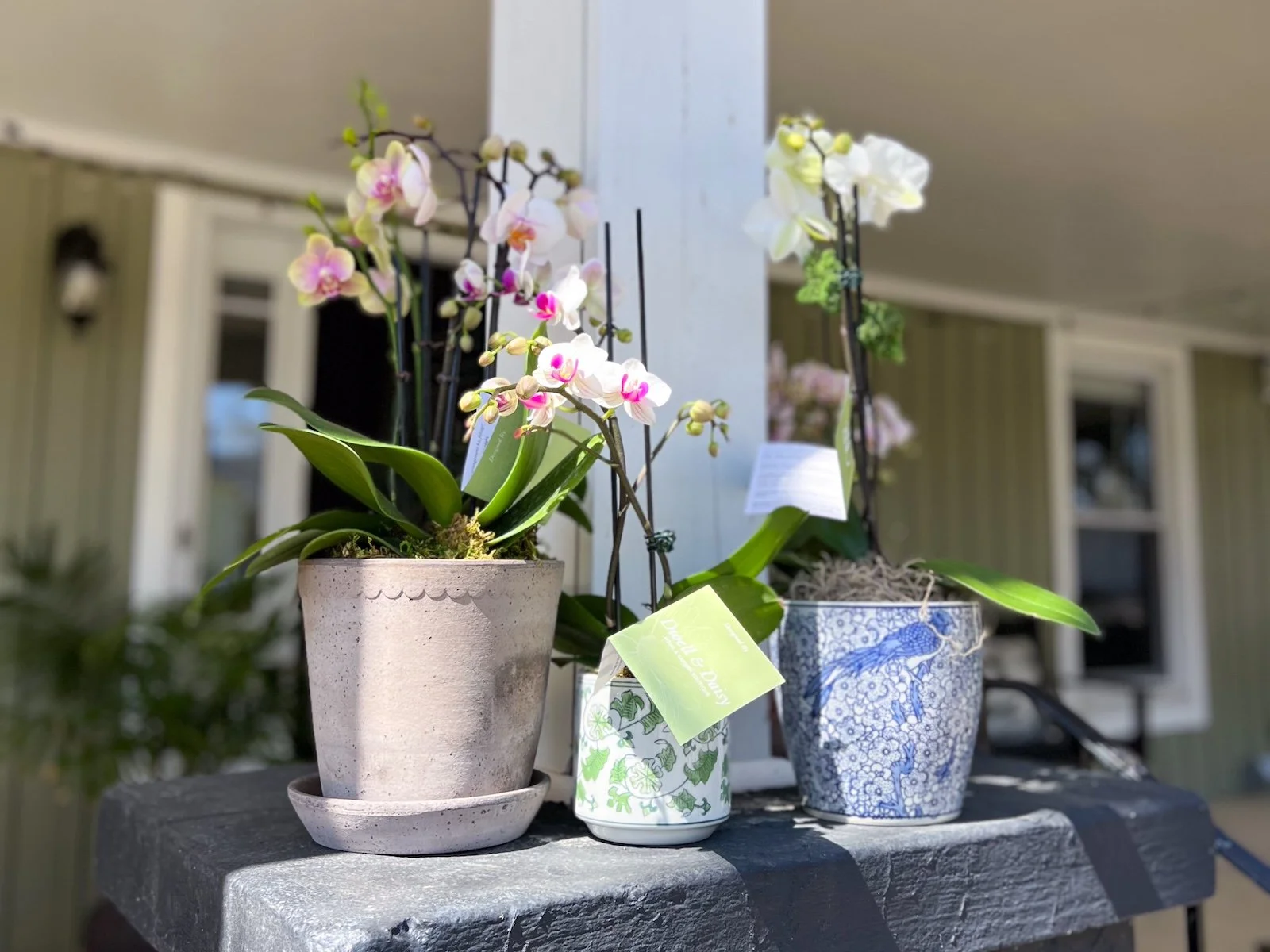
Pet-Friendly Houseplants That Are Beautiful and Safe
The great news? There's no shortage of gorgeous, non-toxic houseplants for cats and dogs that are just as easy to care for and just as stylish. Here are some of our favorites:
Spider Plant (Chlorophytum comosum)
A tried-and-true classic that's non-toxic to cats and dogs. It's easy to grow, thrives in indirect light, and produces charming little offshoots that trail beautifully from shelves or hanging planters.
Care Tip: Water regularly, allowing the soil to dry slightly between waterings. Bright, indirect light is ideal.
Calathea
With their dramatically patterned leaves in shades of green, purple, and cream, calatheas are showstoppers, and they're fully non-toxic to pets. They do best in humid environments, making them a great choice for bathrooms or kitchens.
Care Tip: Keep the soil consistently moist and avoid direct sunlight. They love humidity.
Parlor Palm (Chamaedorea elegans)
One of the best pet-safe indoor plants around, the parlor palm is elegant, easy to care for, and adds a lush, tropical feel to any room. It's non-toxic to both cats and dogs and tolerates lower light conditions beautifully.
Care Tip: Water when the top inch of soil is dry and keep in bright to medium indirect light.
Boston Fern (Nephrolepis exaltata)
Lush, full, and wonderfully pet-friendly, the Boston fern is a classic choice for hanging baskets or pedestals. It's non-toxic to cats and dogs and has been studied for its air-cleaning abilities.
Care Tip: Keep the soil consistently moist and place in indirect light. Ferns appreciate higher humidity, so occasional misting can help.
Peperomia
Peperomia plants come in a delightful range of shapes, textures, and colors, and they're non-toxic to pets. They're also low-maintenance and compact, making them perfect for desks, windowsills, or small spaces.
Care Tip: Allow the soil to dry out between waterings. Bright, indirect light works best.
African Violet (Saintpaulia)
If you want a pet-friendly houseplant that actually blooms, African violets are a beautiful choice. They're non-toxic to cats and dogs and produce cheerful clusters of purple, pink, or white flowers.
Care Tip: Water from the bottom to avoid wetting the leaves, and keep them in bright, indirect light.
Prayer Plant (Maranta leuconeura)
Named for the way its leaves fold upward at night like hands in prayer, the prayer plant is a safe and stunning option for pet owners. Its striking leaf patterns make it a real conversation piece.
Care Tip: Keep the soil moist, provide humidity, and place in medium to low indirect light.
Orchid (Phalaenopsis)
Great news for orchid enthusiasts! Phalaenopsis orchids are non-toxic to cats and dogs. They're elegant, long-blooming, and a beautiful addition to any space.
Care Tip: Water about once a week, allow excess water to drain completely, and place in bright, indirect light.
Hoya
Hoyas have become one of the most sought-after houseplants thanks to their thick, waxy leaves and beautiful star-shaped flowers. Better yet, they're non-toxic to both cats and dogs and are wonderfully low-maintenance.
Care Tip: Let the soil dry out between waterings and provide plenty of bright, indirect light.
Chinese Money Plant (Pilea peperomioides)
With its perfectly round leaves and modern look, the Chinese Money Plant is a favorite among plant people, and it's non-toxic to cats and dogs. Its compact size makes it ideal for shelves, desks, and apartments.
Care Tip: Place in bright, indirect light and water when the top inch of soil feels dry.
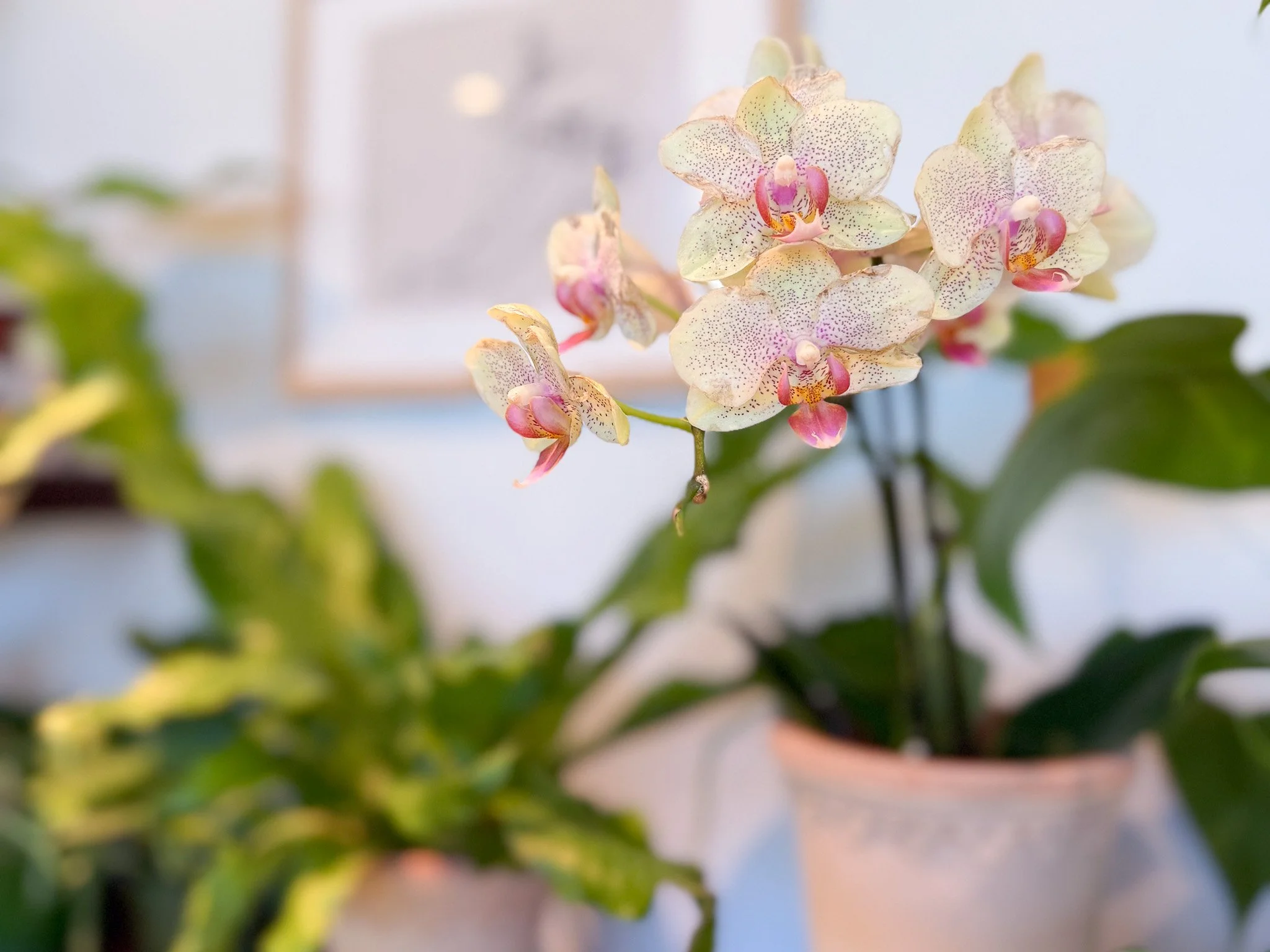
Find Pet-Friendly Houseplants in Greenville, SC
Ready to add a beautiful, pet-friendly plant to your home? We'd love to help!
You can shop our selection of non-toxic houseplants and beautiful pots at Sawdust Coffee Shop in Greenville, SC, where you'll find a thoughtfully curated collection of plants perfect for every home, including homes with curious cats and dogs.
You can also find Dwell and Daisy at local markets throughout Upstate South Carolina. We regularly pop up at farmers markets and community events, making it easy to shop our plants in person.
Whether you're a first-time plant parent or looking to expand your collection with pet-friendly options, we're here to help you find plants you'll love and that your pets can safely enjoy, too.